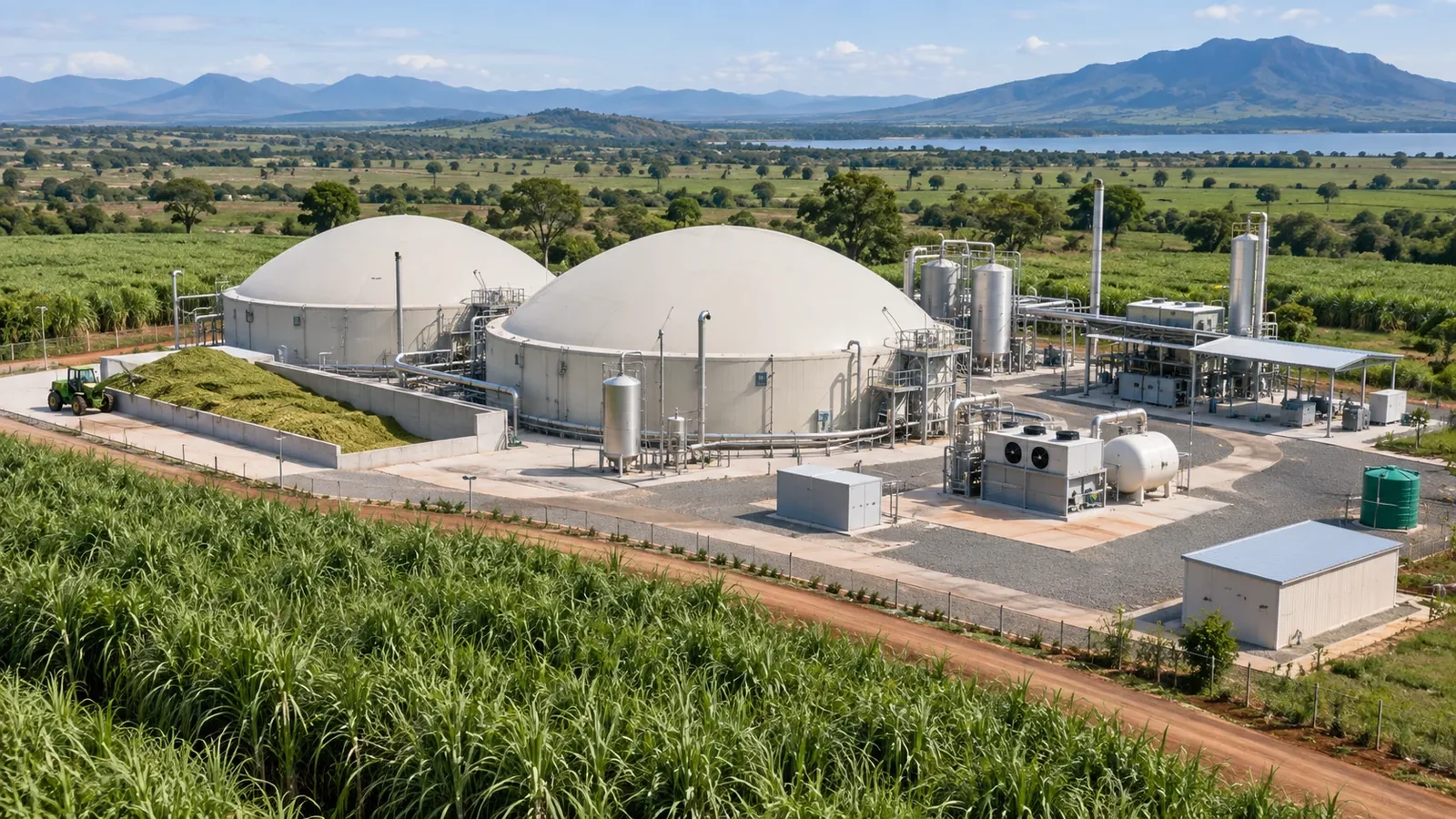
Renewable energy infrastructure has an operating calendar, and so does the agricultural system supplying it. They will not always align. A harvest may be ready when a processing line needs maintenance, or a compressor may be unavailable while material continues to enter storage. A project review should connect equipment availability with feedstock obligations before promising dependable fuel deliveries to customers.
Map the equipment that can stop the chain
The asset register should identify which components can interrupt accepted output and what alternatives exist. A spare machine, a service contractor or a replacement part has value only if it can restore the required function in time. Suppliers should state their support arrangements and the assumptions behind any availability estimate. The project should also distinguish planned servicing from unplanned faults. A headline utilisation figure without that supporting structure leaves the operating team with little guidance when the chain is interrupted.
The register should record the consequence and estimated restoration route for each critical item. This helps distinguish a modest part that can stop the entire service from an expensive component with available backup. Maintenance spending can then be prioritised around the operation the project has promised to deliver.
Coordinate shutdowns with material movements
The supply programme needs a procedure for planned and unexpected interruptions. It should identify which deliveries can be rescheduled, which material can be stored and what quality or cost consequences follow. Feedstock contracts should reflect those choices so that the agricultural supplier is not working to an incompatible calendar. The IEA emphasises the ongoing processing and energy requirements of biogas projects; the editorial consequence is to treat the plant as an active industrial operation with continuing obligations, rather than assume that a renewable resource makes availability automatic.
Budget technical readiness before commissioning
Spare parts, tools, trained operators and access to specialist support should appear in the opening plan. The inventory should focus on actual restoration needs and supplier lead times, rather than a generic percentage of machinery cost. Staff need operating procedures and a clear escalation route for faults. Commissioning can test whether alarms, communications and maintenance records work together. For an integrated agricultural energy project, the readiness review should also include the person who controls field harvest and transport, because technical decisions can change their work immediately.
Measure availability at the customer boundary
An operating report should distinguish equipment hours from saleable fuel delivered. A plant can run while output fails the agreed specification, and a storage buffer can support deliveries during a short shutdown. Both facts matter to performance reporting. For Tana River, availability reporting should identify the commissioned equipment, operating period and commercial production measured during that period. A future operating plan should explain its measurement boundary, scheduled maintenance, feedstock flexibility and customer contingency. These details would allow sponsors to judge whether the promised service can survive ordinary industrial interruptions before expanding the committed supply programme.